How to Use AI Tools to Enhance Your Learning
Discover how using AI for learning can transform your educational experience with personalized tools and adaptive technologies.
Quick answer: Using AI for learning involves leveraging tools like personalized learning platforms, intelligent tutoring systems, and AI-driven study aids to create a more efficient and tailored educational experience.
Incorporating technology into education has become increasingly prevalent, and using AI for learning is at the forefront of this transformation. AI tools offer innovative ways to enhance the learning experience, making it more personalized and efficient.
As online education continues to evolve, leveraging AI can help students and professionals alike to optimize their study techniques, improve productivity, and acquire new skills more effectively. This guide explores how you can integrate AI into your learning routine.
Key takeaways
- Personalized learning paths adapt to your needs
- AI tutors provide instant feedback and support
- Automate routine tasks to save time
- Enhance research with AI-powered tools
- Improve retention with adaptive learning technologies
How Can AI Tools Personalize Your Learning Experience?
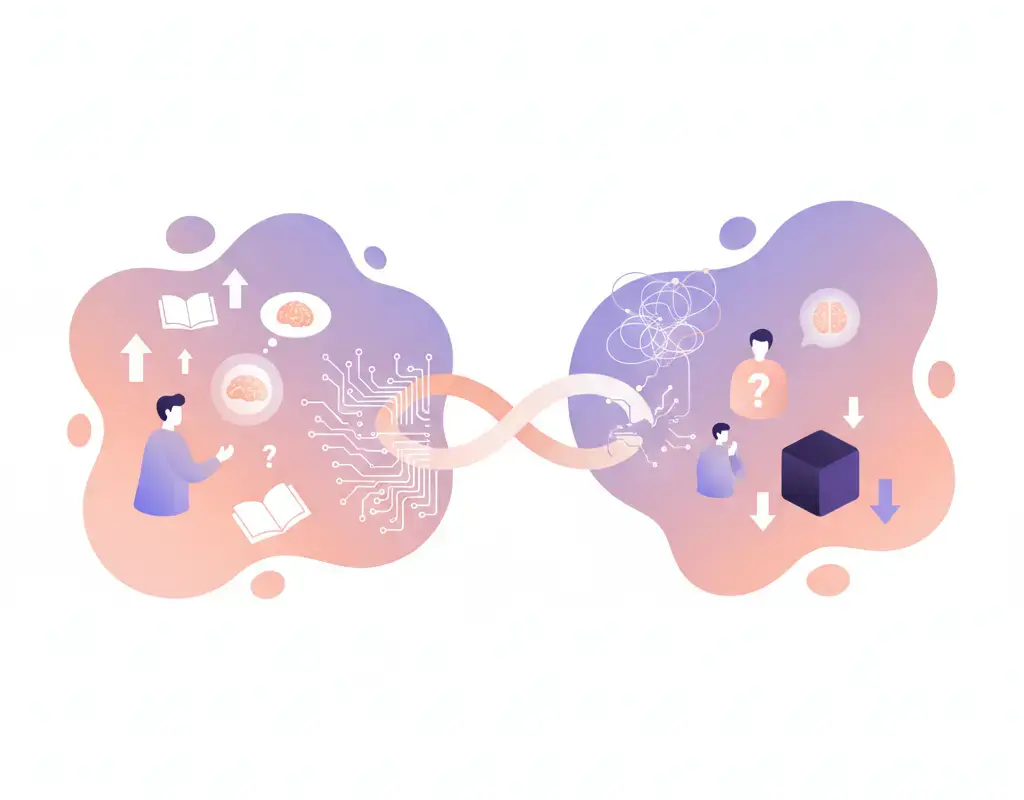
AI tools have revolutionized the way we approach learning by offering personalized experiences that adapt to individual needs and preferences. One of the most significant advantages of AI in education is its ability to analyze vast amounts of data to understand each learner’s unique strengths and weaknesses. By doing so, AI can tailor educational content to match the learner’s current skill level, learning pace, and preferred style of learning. This personalization ensures that learners are neither overwhelmed by advanced material nor bored by content that is too basic.
For instance, AI-driven platforms can recommend specific resources, such as articles, videos, or interactive exercises, based on a learner’s past interactions and performance. This targeted approach helps learners focus on areas where they need the most improvement, thereby optimizing their study time. Additionally, AI can provide real-time feedback, allowing learners to correct mistakes and understand concepts more quickly. This immediate response is crucial for effective learning, as it reinforces correct practices and discourages incorrect ones.
Another way AI enhances personalization is through adaptive learning technologies. These systems adjust the difficulty level of tasks and the complexity of concepts based on the learner’s progress. If a learner is excelling, the system can introduce more challenging material to keep them engaged. Conversely, if a learner is struggling, the system can offer additional support or revisit foundational concepts. This dynamic adjustment keeps learners in a state of optimal challenge, which is essential for maintaining motivation and promoting deeper understanding.
AI also supports personalized learning by facilitating a more interactive and engaging experience. Through features like chatbots and virtual assistants, learners can receive instant answers to their questions and guidance on their learning journey. These tools can simulate one-on-one tutoring experiences, providing a level of interaction that is often missing in traditional educational settings.
Here are some key ways AI tools personalize learning:
- Customized Content: AI recommends specific resources based on individual learning patterns.
- Real-time Feedback: Immediate corrections and suggestions help learners improve faster.
- Adaptive Learning Paths: The system adjusts difficulty and complexity based on progress.
- Interactive Support: Chatbots and virtual assistants provide personalized guidance.
To better understand the factors that contribute to personalized learning through AI, consider the following table:
| Factor | Description |
|---|---|
| Data Analysis | AI analyzes learner data to identify strengths and weaknesses. |
| Resource Recommendation | AI suggests resources tailored to individual learning needs. |
| Adaptive Difficulty | The system adjusts the difficulty of tasks based on performance. |
| Interactive Tools | AI-powered tools like chatbots provide personalized support. |
By leveraging these capabilities, AI tools can create a learning experience that is not only personalized but also more effective and engaging.
What Are the Best AI-Powered Study Aids Available?
AI-powered study aids have revolutionized the way we approach learning, offering personalized and efficient methods to enhance comprehension and retention. Here are some of the best AI-driven tools currently available that can significantly boost your study sessions:
1. Quizlet: Quizlet leverages AI to provide adaptive learning experiences through its intelligent study tools. The platform uses AI to identify your strengths and weaknesses, tailoring quizzes and flashcards to focus on areas where you need improvement. This personalized approach helps reinforce learning and ensures that you spend time on concepts that require more attention.
2. Coursera: Coursera offers AI-driven course recommendations and personalized learning paths. By analyzing your learning history and preferences, Coursera suggests courses that align with your career goals and interests. Additionally, the platform’s AI-powered discussion forums and peer review systems facilitate a more interactive and supportive learning environment.
3. Khan Academy: Khan Academy uses AI to provide real-time feedback and personalized practice exercises. The platform’s AI algorithms track your progress and adapt the difficulty of questions based on your performance, ensuring a challenging yet manageable learning experience. This adaptive learning technology helps maintain engagement and encourages continuous improvement.
When choosing an AI-powered study aid, consider the following factors:
- Personalization: Look for tools that adapt to your learning style and pace.
- Interactivity: Choose platforms that offer interactive features like quizzes, flashcards, and discussion forums.
- Integration: Ensure the tool integrates well with your existing learning resources and devices.
- Feedback: Opt for tools that provide detailed feedback and progress tracking.
| Tool | Personalization | Interactivity | Integration | Feedback |
|---|---|---|---|---|
| Quizlet | High | High | Good | Detailed |
| Coursera | High | Moderate | Excellent | Personalized |
| Khan Academy | High | High | Good | Real-time |
In summary, AI-powered study aids offer a range of features that can significantly enhance your learning experience. By selecting tools that align with your needs and learning preferences, you can create a more efficient and effective study routine.
How Does AI Improve Productivity in Online Learning?
How Does AI Improve Productivity in Online Learning?
AI tools have revolutionized online learning by automating routine tasks, personalizing educational experiences, and providing instant feedback, thereby significantly enhancing productivity. One of the primary ways AI boosts productivity is through the automation of administrative tasks. For instance, AI can handle scheduling, reminders, and even basic queries, freeing up time for learners to focus on their studies. This automation reduces the cognitive load on students, allowing them to concentrate on absorbing and applying new knowledge rather than getting bogged down by logistical details.
Personalization is another key area where AI excels. AI-driven platforms can analyze a learner’s performance and adapt the curriculum to suit their individual needs. This means that students receive customized content that addresses their specific strengths and weaknesses, leading to more efficient learning. For example, if a student struggles with a particular concept, the AI can provide additional resources or exercises to help them master it. Conversely, if a student quickly grasps a topic, the AI can move them on to more challenging material, ensuring that their time is used effectively.
Instant feedback is a crucial component of productive learning, and AI tools excel in this area as well. Unlike traditional learning environments where feedback might be delayed, AI can provide immediate insights into a student’s performance. This allows learners to quickly identify and correct mistakes, reinforcing learning and preventing the formation of bad habits. For example, AI-powered writing assistants can offer real-time grammar and style suggestions, helping students improve their writing skills on the fly.
Moreover, AI can facilitate collaboration and communication among students and instructors. AI-driven platforms can suggest study groups based on shared interests or complementary skills, and they can also moderate discussions to ensure that they remain productive and on-topic. This not only enhances the learning experience but also fosters a sense of community among learners.
Here are some specific ways AI tools enhance productivity in online learning:
- Automated Administrative Tasks: AI handles scheduling, reminders, and basic queries, allowing learners to focus on their studies.
- Personalized Learning Paths: AI analyzes performance and adapts the curriculum to suit individual needs, ensuring efficient learning.
- Instant Feedback: AI provides immediate insights into performance, helping students quickly identify and correct mistakes.
- Enhanced Collaboration: AI suggests study groups and moderates discussions, fostering a productive learning community.
In summary, AI tools significantly improve productivity in online learning by automating tasks, personalizing education, providing instant feedback, and facilitating collaboration. The following table summarizes these factors:
| Factor | Description |
|---|---|
| Automation | Handles administrative tasks, allowing learners to focus on studies |
| Personalization | Adapts curriculum to individual needs, ensuring efficient learning |
| Instant Feedback | Provides immediate insights into performance, aiding quick corrections |
| Collaboration | Facilitates study groups and moderated discussions, fostering community |
Can AI Help with Skill Acquisition and Career Development?
AI has emerged as a powerful ally in skill acquisition and career development, offering tools and resources that can significantly enhance the learning process. One of the primary ways AI aids in skill acquisition is through personalized learning experiences. AI algorithms can analyze a learner’s strengths, weaknesses, and learning style to tailor educational content specifically to their needs. This personalization ensures that learners focus on areas where they need the most improvement, making the learning process more efficient and effective.
Moreover, AI-driven platforms often incorporate features like adaptive learning, which adjusts the difficulty level of tasks based on the learner’s performance. This dynamic approach keeps learners engaged and challenged, preventing them from becoming bored with repetitive tasks or overwhelmed by material that is too advanced. Additionally, AI can provide instant feedback on assignments and assessments, allowing learners to understand their mistakes and correct them in real-time, thereby accelerating the learning curve.
When it comes to career development, AI offers tools that can help individuals identify potential career paths and the skills required to succeed in those roles. For instance, AI-powered career assessment tools can analyze a user’s skills, interests, and experiences to suggest suitable career options. These tools can also provide insights into the job market, including demand trends and salary expectations, helping individuals make informed decisions about their career trajectories.
Furthermore, AI can assist in upskilling and reskilling by recommending relevant courses, certifications, and learning resources. Many AI platforms integrate with online learning providers to offer personalized course recommendations, ensuring that learners acquire the skills most valuable to their career goals. Here are some key ways AI can support career development:
- Skill Gap Analysis: Identify the skills you have and the skills you need for your desired career.
- Career Pathing: Explore different career paths and the steps needed to achieve your goals.
- Learning Recommendations: Receive personalized course and resource suggestions to bridge skill gaps.
- Job Market Insights: Gain insights into job market trends, including in-demand skills and roles.
In summary, AI tools can be invaluable in both skill acquisition and career development. By providing personalized learning experiences, instant feedback, and career guidance, AI empowers individuals to take control of their learning and professional growth. The table below summarizes the key benefits of using AI in these areas:
| Area | Benefit |
|---|---|
| Personalized Learning | Tailored content and adaptive learning paths |
| Instant Feedback | Real-time assessment and correction |
| Career Guidance | Insights into career paths and job market trends |
| Upskilling | Recommendations for relevant courses and resources |
What Are the Ethical Considerations of Using AI for Learning?
As AI tools become increasingly integrated into learning and development, it is crucial to consider the ethical implications of their use. One of the primary concerns is data privacy. AI systems often require access to personal data to provide personalized learning experiences. Users must be aware of how their data is collected, stored, and used. It is essential to choose AI tools from reputable providers that adhere to strict data protection regulations and offer transparency about their data handling practices.
Another ethical consideration is the potential for bias in AI algorithms. AI systems are trained on data sets that may contain inherent biases, which can be perpetuated or even amplified by the AI. This can lead to unfair or unequal learning opportunities. To mitigate this, it is important to use AI tools that are regularly audited for bias and that employ diverse data sets for training. Additionally, educators and learners should be aware of the limitations of AI and use it as a supplement to, rather than a replacement for, human judgment.
The issue of accountability also arises when using AI for learning. If an AI system provides incorrect or misleading information, who is responsible? It is important to establish clear guidelines and expectations for AI use, and to have mechanisms in place for addressing any issues that arise. This includes having a human oversight process to verify the accuracy and appropriateness of AI-generated content.
Finally, there is the question of accessibility. While AI has the potential to democratize education by providing personalized learning experiences, it can also create a digital divide if access to these tools is not equitable. Efforts should be made to ensure that AI tools are available to a wide range of learners, regardless of their socioeconomic status or geographic location.
- Data Privacy: Ensure AI tools comply with data protection regulations and are transparent about data handling.
- Bias Mitigation: Use AI systems that are regularly audited for bias and trained on diverse data sets.
- Accountability: Establish clear guidelines and human oversight for AI-generated content.
- Accessibility: Ensure AI tools are accessible to a diverse range of learners.
| Factor | Importance | Mitigation Strategies |
|---|---|---|
| Data Privacy | High | Compliance with regulations, transparency |
| Bias | High | Regular audits, diverse data sets |
| Accountability | Medium | Clear guidelines, human oversight |
| Accessibility | High | Efforts to ensure equitable access |
By considering these ethical factors, educators and learners can make informed decisions about the use of AI in learning, ensuring that it enhances rather than hinders the educational experience.
How Do I Get Started with AI in My Learning Routine?
How Do I Get Started with AI in My Learning Routine?
Incorporating AI into your learning routine can significantly enhance your educational experience, making it more personalized and efficient. Here’s a step-by-step guide to help you get started:
First, identify your learning goals and needs. Are you looking to improve your understanding of a specific subject, enhance your study techniques, or boost your productivity? Understanding your objectives will help you choose the right AI tools. For instance, if you need help with language learning, AI-powered apps like Duolingo or Rosetta Stone can be beneficial. For more general study assistance, tools like Quizlet or Anki use AI to create personalized flashcards and quizzes.
Next, explore AI tools tailored to your needs. There is a wide range of AI tools designed to support various aspects of learning:
- Personalized Learning Platforms: Platforms like Coursera and edX use AI to recommend courses based on your interests and past learning behavior.
- Note-Taking and Organization: Tools like Evernote and Notion use AI to help you organize your notes and tasks efficiently.
- Language Processing: Grammarly and Hemingway use AI to improve your writing by providing real-time feedback on grammar, style, and clarity.
- Virtual Tutors: AI-driven platforms like Carnegie Learning and Khan Academy offer personalized tutoring and feedback in subjects like math and science.
Once you’ve selected a few tools, start with a small, manageable integration. For example, if you’re using a tool like Grammarly, begin by using it for your daily writing tasks. This will help you get accustomed to the AI’s suggestions and understand how it can improve your work. Similarly, if you’re using a personalized learning platform, dedicate a specific time each day to engage with the AI-recommended content.
Finally, regularly evaluate and adjust your AI toolkit. As you become more comfortable with AI tools, you may find that some are more effective than others. Regularly assess their impact on your learning and be open to trying new tools as they emerge. Here’s a quick comparison of some popular AI tools:
| Tool | Type | Key Features |
|---|---|---|
| Grammarly | Language Processing | Grammar, style, and clarity checks |
| Duolingo | Language Learning | Interactive lessons, gamification |
| Quizlet | Study Aid | Flashcards, quizzes, and study games |
| Khan Academy | Virtual Tutor | Personalized learning paths, video tutorials |
By following these steps, you can effectively integrate AI into your learning routine, making your educational journey more efficient and enjoyable.
Frequently asked questions
What is AI for learning?
AI for learning refers to the use of artificial intelligence technologies to enhance educational experiences, offering personalized learning paths, instant feedback, and adaptive learning techniques.
How does AI personalize learning?
AI personalizes learning by analyzing a student’s performance and adapting the curriculum to focus on areas where the student needs more help, creating a customized learning experience.
Are there free AI tools for learning?
Yes, there are several free AI tools available for learning, such as Duolingo for language learning and Khan Academy’s AI-powered tutoring systems.
Can AI replace human teachers?
While AI can support and enhance learning, it cannot fully replace the emotional and social aspects of human teachers, which are crucial for comprehensive education.
What are the limitations of AI in education?
AI in education can have limitations such as lack of emotional intelligence, potential for bias in algorithms, and the need for reliable internet access.
How can AI improve study habits?
AI can improve study habits by providing personalized study schedules, tracking progress, and offering recommendations for resources and techniques based on individual learning patterns.
Smarter learning, in your inbox
Get new vaeyc articles, AI tools, and career-growth tips weekly. Free.